The Voices of Retail Report produced by Hyve Group, the organiser of Spring Fair, Autumn Fair and Glee, in partnership with online marketplace, Faire, has underscored the immense power and potential of collaboration between retailers.
The first of its kind report, which was issued in spring 2026, analysed the most important factors shaping the retail agenda, surveying more than 650 retail businesses and 2000+ consumers across multiple sectors, including: Gift, Home, Greetings & Stationery, Jewellery, Fashion, Kids products and Toys.
Collaboration emerged as a major untapped opportunity, with 89% of retail businesses that try it seeing commercial gains. This is compared with just 23% of those surveyed who are actively partnering with synergistic brands to help grow each other’s brands and businesses.
With 55% of collaborative retailers winning new customers, for those who’ve yet to go down this route, the major barrier is knowing where to start. The incentives are strong, however, with brand awareness (39%), increased sales (36%) and increased footfall (30%), following new customer wins as the greatest benefits of working collaboratively.
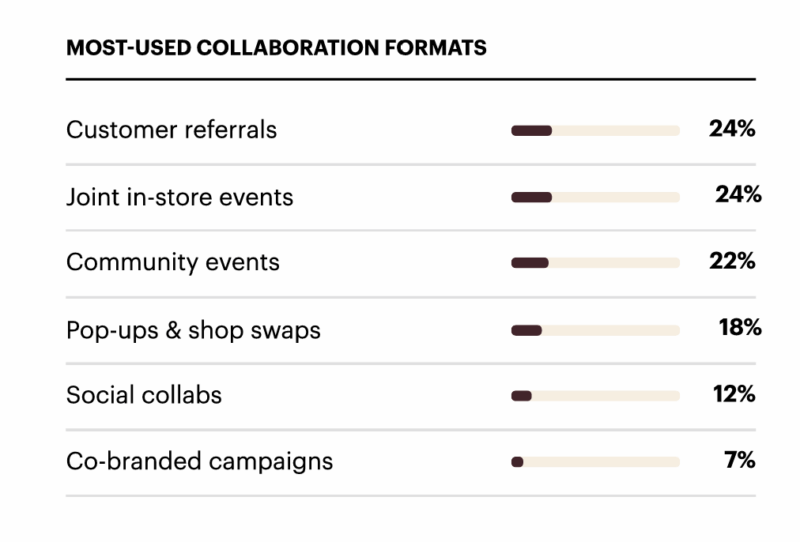
For those who want to get the ball rolling six collaboration formats emerged as the most successful, including: Customer referrals (24%), joint in-store events (24%), community events (22%), pop-ups and shop swaps (18%), social collabs (12%) and co-branded campaigns (7%).
Events are especially popular with consumers, with more than a third of those surveyed (36%) responding that more events would help entice them out to the high street more often. Indeed, events are cited as the third biggest footfall driver after free parking and destination independent retailers. These stats are supported by the 30% of consumers who’ve attended maker markets in the past year and 28% who supported a community event.
Informal team-ups are also popular with retailers, especially when it comes to informal information sharing (38%), aligned opening hours (37%), collective response to challenges (22%) and shopping trails and themes (20%). A good example of the latter are Christmas window competitions and other festive events which rally whole high streets and town centres. Halloween also offers interesting merchandising and window-dressing opportunities, along with Valentine’s Day and other important spring seasonal occasions.
Whilst some high street retail sectors are having a harder time than others, food isn’t one of them. More than half of respondents (51%) would be tempted by more food tastings, which is reflected by the food and drink sector reporting the strongest growth (61%). This is compared to 47% growth in Beauty & Wellbeing, driven by experiential community events, and 40% growth in gift retail. Rising costs and seasonal adaptability are the factors impacting the gift sector most negatively right now. Fashion shows a divided story, with 33% of retailers growing compared with 36% in decline, mostly because of online competition.
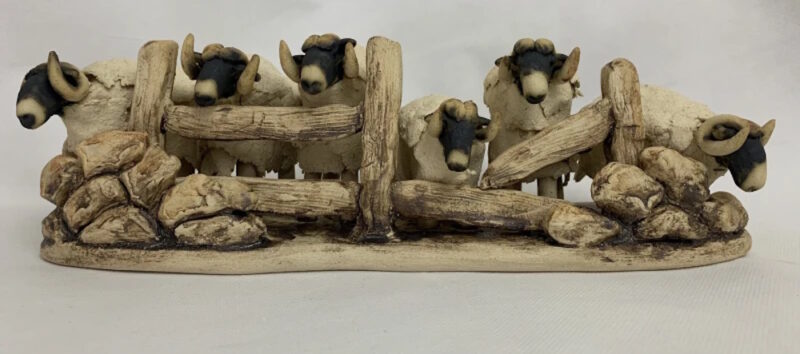
44% of consumers said they want more maker markets, underscoring the vital importance of locally-made goods and independent artisan brands as crucial drivers of footfall that are able to unlock consumer spending power.
Of the British regions, Manchester showed the highest percentage of retailers reporting year-on-year growth (61%). The community-minded northern powerhouse is benefitting from tight retailer collaboration networks and a strong events culture. Yorkshire followed the growth trajectory at 51%, compared to 39% in London, where 35% of retailers are – on the flipside – in decline, making the UK capital the most polarised retail landscape in the country. The Midlands was evenly split with 31% of retailers growing but a further 31% in decline as competitive pressures outpace growth levers. Down south, 23% of Devonshire retailers reported growth, driven by the tourist trade.
A key takeaway from the report is that the fastest growing retailers aren’t necessarily the most established. On the contrary, retailers in their first three years are growing at twice the pace of those who’ve been trading for at least a decade. The energy is at the edges of the sector, not the safe middle ground.
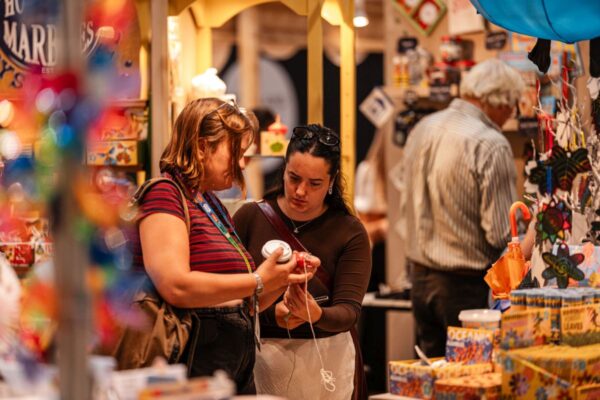
Featured image: British Craft Directory member, Simone Louise Ceramics.
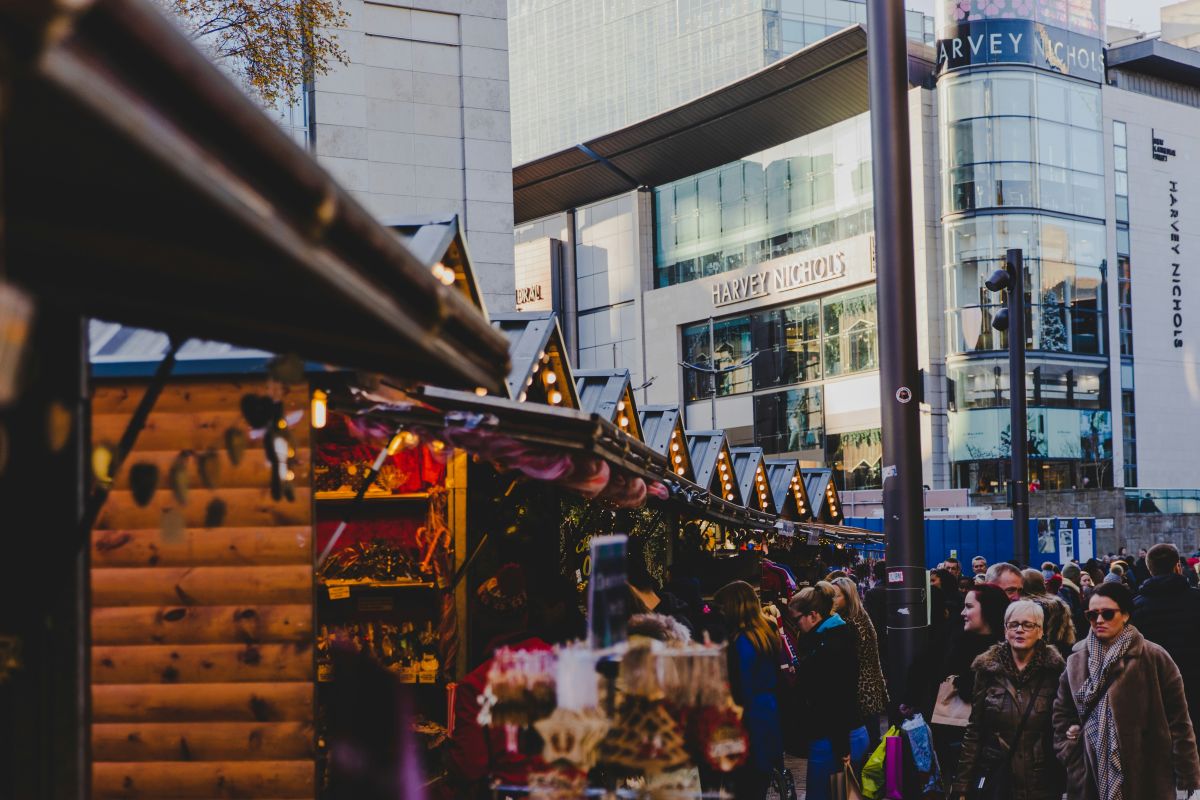
Top image: Manchester Christmas Market photographed by Ali Johnson.