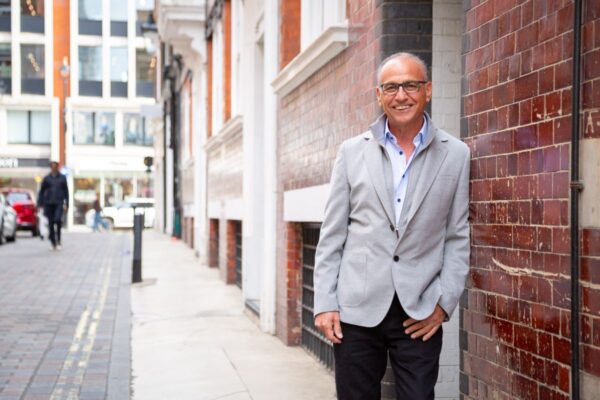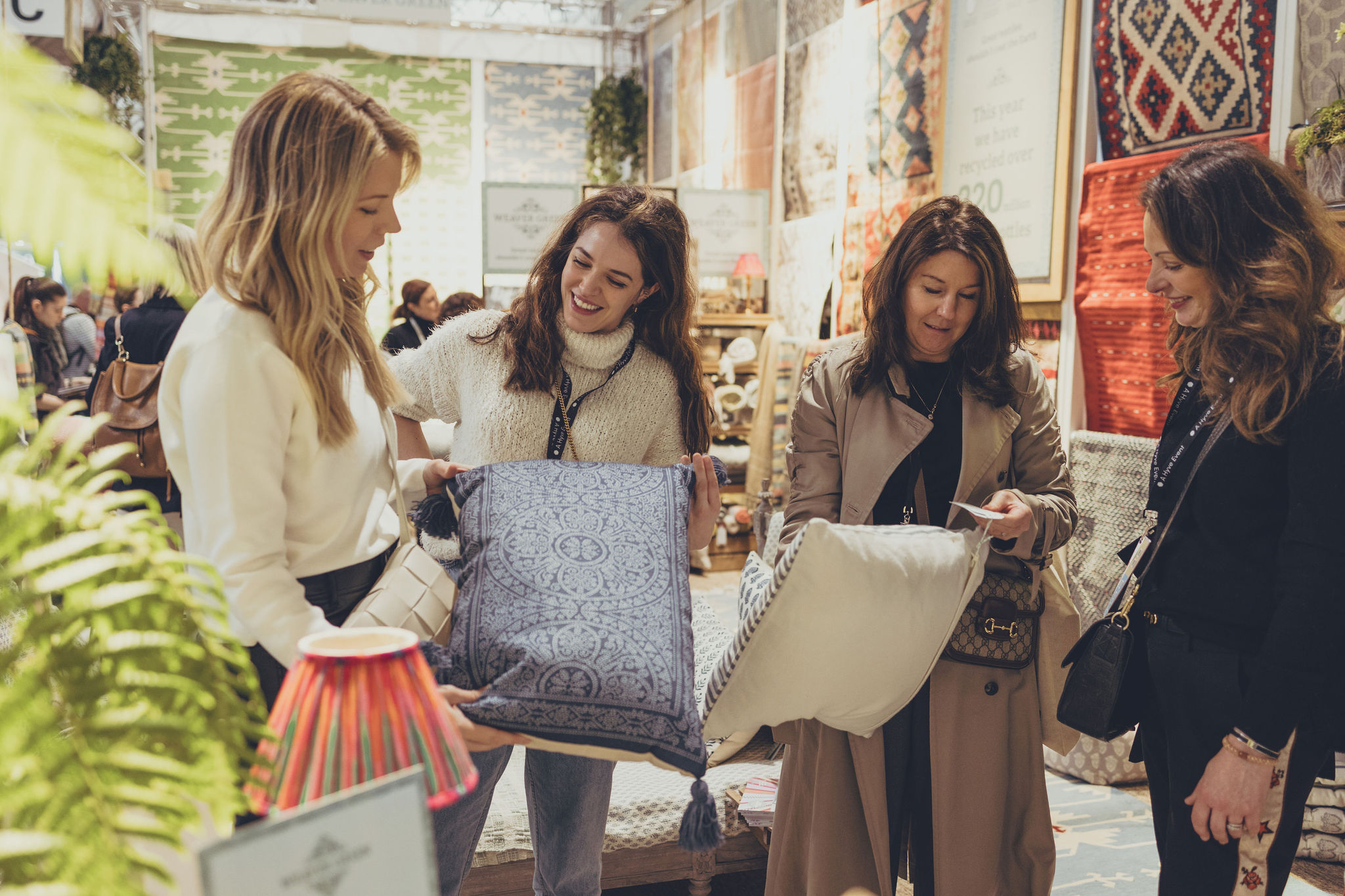
Jackson Szabo calls for a broader approach to supporting independent retail, as Spring Fair research highlights the importance of driving footfall and improving high-street accessibility.
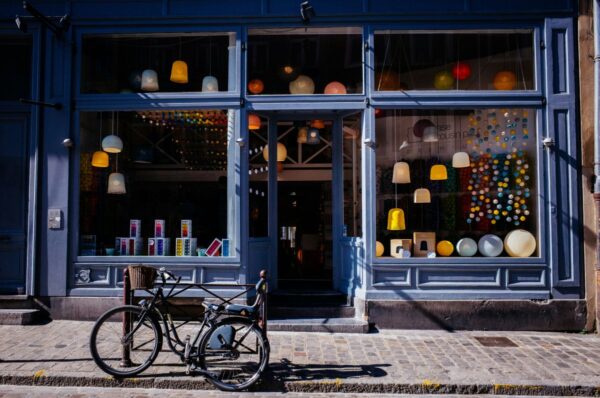
Spring Fair, the UK’s leading retail trade show, has welcomed measures announced in the Autumn Budget to ease business rates pressures on independent retailers, but says financial relief must be accompanied by practical action to encourage consumers back onto Britain’s high streets.
The Budget includes an increase in Small Business Rates Relief thresholds for qualifying retail, hospitality and leisure businesses in England, with an estimated 70,000 additional businesses expected to pay no business rates from April 2027. Eligible businesses will also benefit from a two-year real-terms freeze on business rates bills.

Jackson Szabo, Portfolio Director of Spring Fair and Autumn Fair, says the measures represent a positive step for independent retailers, but warns that rising employment costs, continued pressure on margins and the challenge of attracting customers remain significant concerns. “The business rates announcements are welcome news for independent retailers, many of whom are operating on incredibly tight margins. Greater relief and more certainty over future costs will make a meaningful difference, particularly for smaller businesses making difficult decisions about staffing, investment and growth. But reducing the cost of trading is only part of the solution. Retailers also need customers coming through their doors. If we want thriving high streets, we need to look beyond business costs and consider what will encourage people to visit, spend time and support the independent businesses at the heart of their communities.”
Welcome support, but cost pressures remain
From April 2027, the rateable-value threshold for 100% Small Business Rates Relief for qualifying retail, hospitality and leisure properties in England will increase from £12,000 to £18,000, while the threshold for tapered relief will rise from £15,000 to £21,000. Eligible businesses will also see business rates increases capped by CPI inflation in 2027–28 and 2028–29, providing greater predictability over future bills. The Government estimates that 120,000 shops will avoid an additional £3,250 in business rates over the two-year period.
However, retailers continue to face pressures elsewhere. The National Living Wage will increase by 3.9% to £13.21 an hour from April 2027, adding to employment costs for businesses already balancing staffing, stock, rent and other operating expenses. The Budget also introduces changes to VAT collection through online marketplaces from October 2027, with platforms taking responsibility for collecting VAT on qualifying sales by UK businesses. The measure is intended to improve tax compliance and help fund business rates support for high-street businesses.
Szabo adds: “Independent retailers want to invest in their teams, offer great service and create shopping experiences that customers value. Fair pay is important, but rising employment costs must be considered alongside the other pressures businesses are managing. The challenge is ensuring that the support announced today gives retailers the confidence and capacity to keep investing in their businesses.”
Consumers want thriving high streets – but accessibility matters
Research from The Voices of Retail 2026, produced by Spring Fair and Autumn Fair in partnership with Faire, highlights why tackling business costs alone will not be enough to secure the future of independent retail. The research found that 96% of consumers believe independent retailers are important, while 63% say free parking would encourage them to visit their local high street more often. Among retailers, 38% identified free parking as the intervention most likely to benefit their business, ahead of business rates relief at 34%. The findings underline the importance of combining financial support for businesses with measures that make town and city centres more accessible, attractive and commercially viable.
“What’s encouraging about our research is that consumers continue to recognise the value of independent retail,” says Szabo. “People want distinctive shops, interesting products and the personal service that independent businesses provide. But that support needs to translate into visits and sales. Making high streets easier to access, giving people more reasons to visit and creating places where they want to spend time are all part of building a stronger retail environment.”
A practical approach to supporting high streets
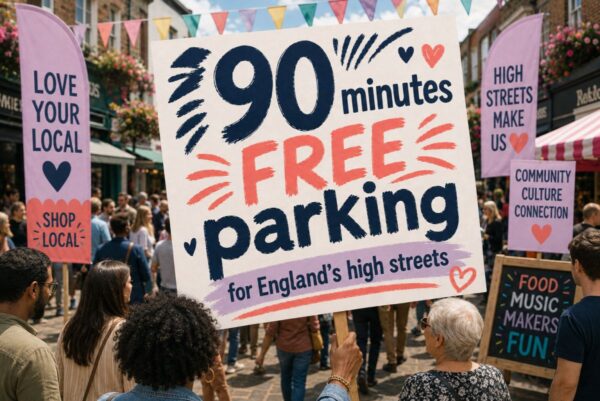
Spring Fair and Autumn Fair are already championing practical measures to support independent retailers through their parliamentary petition calling for a minimum of 90 minutes’ free parking in town and city centres across England. The campaign, informed by the Voices of Retail research, aims to remove one of the barriers to high-street visits and encourage consumers to spend more time exploring and supporting local businesses.
“Free parking isn’t a solution to every challenge facing our high streets, but it’s a practical example of the action that could make a difference,” says Szabo. “The Budget has recognised the importance of easing financial pressures on smaller businesses, and that is a positive step. The opportunity now is to build on that support with measures that encourage footfall, strengthen local economies and give independent retailers the confidence to invest in their future. “Ultimately, successful high streets need businesses that can afford to trade and customers who want to visit. We need to make progress on both.”
Spring Fair and Autumn Fair will continue to champion independent retail through their events, industry research and campaigns supporting the future of Britain’s high streets.