Daniel Wolfenden, Design and Marketing Director at retail design agency Ripple, writes:
“2027 will be a year when retailers expect their physical spaces to work harder, both commercially and in terms of customer experience. Rising energy bills, business rates and staffing costs are making physical stores increasingly expensive to operate, putting greater pressure on retailers to maximise the value of every square foot. Against this backdrop, store design will increasingly be judged on its ability to deliver long-term commercial value, rather than creating an immediate visual impact.
“Flexibility will be a major priority for retailers that need environments that can adapt to changing product ranges, seasonal campaigns and evolving customer demands without the expense and disruption of a complete refit. We’re expecting greater investment in modular displays, adaptable fixtures and design systems that allow retailers to refresh their spaces while protecting their existing investment.
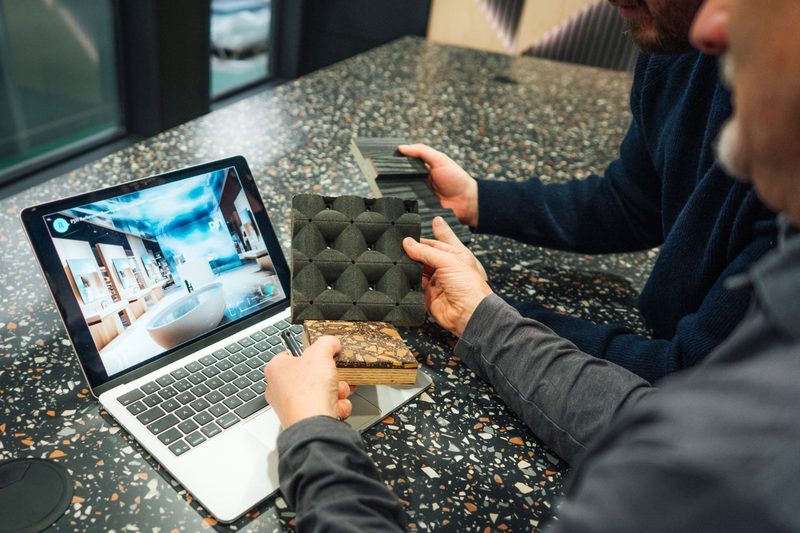
“We’ll also see a shift in how showrooms support the customer journey. Online and physical shopping are no longer separate experiences. Research from Visa Acceptance Solutions found that 38% of UK in-store shoppers used their phone as part of their most recent physical purchase, demonstrating how closely the two channels are becoming connected.
“Shoppers are increasingly researching and comparing products online before visiting a store, physical environments need to offer something they can’t get from a screen. Particularly in sectors such as flooring, interiors and home improvement, showrooms will need to help customers visualise products, compare materials and finishes, and make more confident purchasing decisions.
“Sustainability will remain important, but the focus will increasingly move beyond material selection towards longevity. Designing fixtures that can be repaired, reconfigured and reused makes both environmental and commercial sense. The same scrutiny will apply to digital technology. Screens and interactive features need to earn their place by making shopping easier, rather than simply adding another layer of technology.

“Ultimately, I think 2027 will see commercial performance become an even greater consideration from the earliest stages of the design process. Retailers will want environments that not only reflect their brand, but improve product visibility, encourage engagement, support sales and remain practical to operate and maintain. The most successful store designs will balance creativity with flexibility, functionality and a clear return on investment.”
For product sourcing that will help you achieve your retail goals in 2027 and beyond, retailers are also invited to visit Spring Fair at the NEC, Birmingham from 7-10 February.