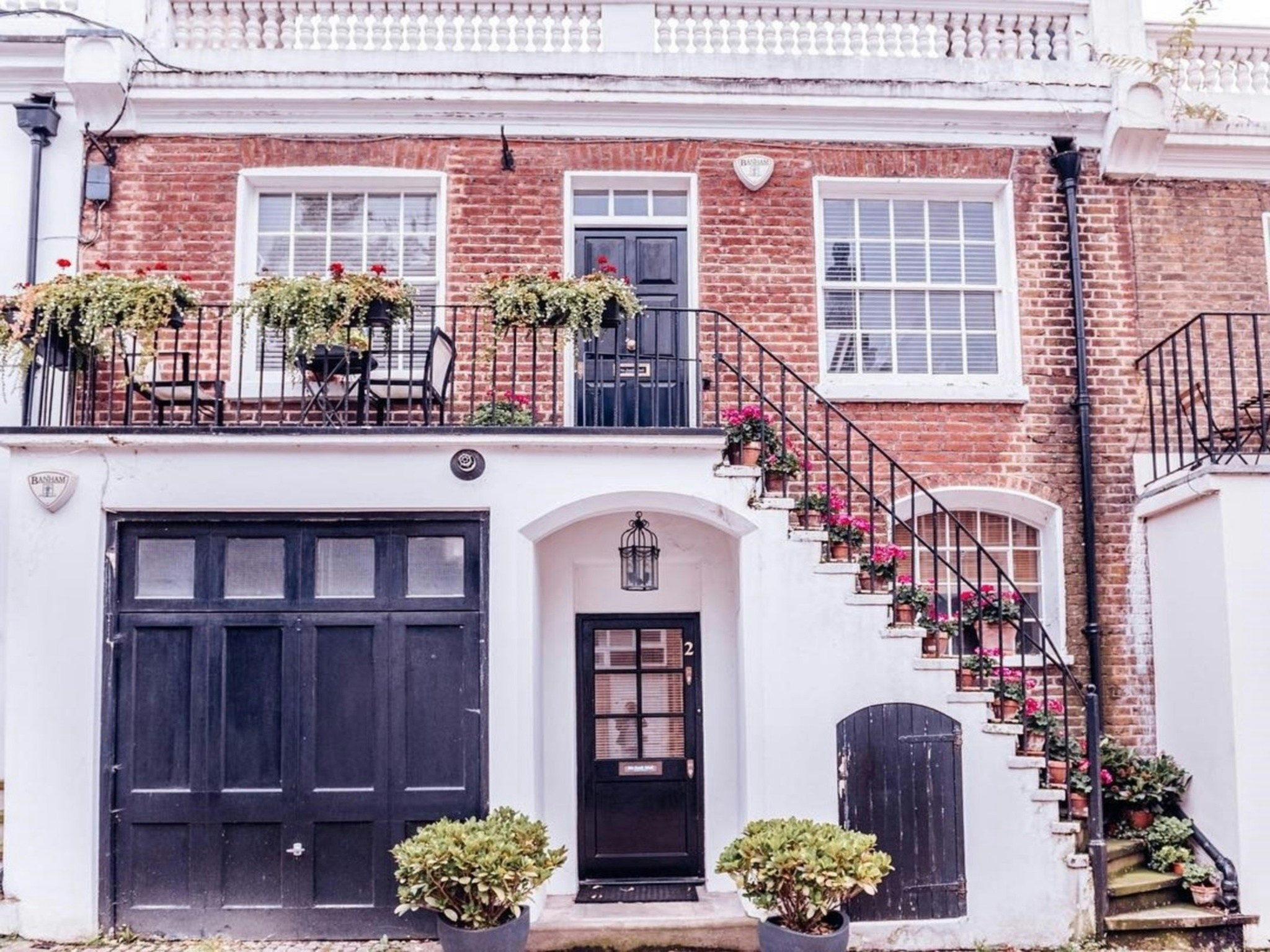
Period homes already have a visual identity before furniture, paint or accessories enter the room. Deep skirting boards, fireplaces, decorative cornicing and older door frames create proportions that a new floor has to work with rather than ignore.
This makes flooring decisions slightly different from those in a blank new-build interior. A finish that looks attractive on its own may feel too stark once it sits beside original woodwork or darker architectural details. The aim is not to recreate the past exactly. A better starting point is to choose a floor that respects what is already there while still working for the way the home is used now.
Start With the Features You Plan to Keep
Before looking at flooring samples, decide which parts of the room are staying. An original fireplace, dark timber staircase or decorative skirting can influence the choice more than a sofa or rug that may be replaced in a few years.
Look at the room as a whole rather than treating the floor as a separate surface. A large pattern can feel busy beside detailed joinery, while a simpler plank layout may give those features more space visually. In another room, a herringbone pattern might sit comfortably because the architecture is relatively restrained.
Existing timber is worth looking at closely too. A new floor does not need to match old wood exactly, and trying to find an identical shade can leave the room looking overly coordinated. Choosing a tone that works beside it usually produces a more convincing result.
The same applies to adjoining spaces. If an entrance hall leads directly into a living room, consider what will be visible when both doors are open. Flooring choices tend to feel more deliberate when there is some relationship between the rooms, even if the materials are different.
When Laminate Works in a Period Interior
Laminate gives homeowners another option when original flooring cannot be retained or when a room needs a more practical replacement. The choice of finish matters because a strongly contemporary design can change the character of an older room more than expected.
Wood-effect laminate is the obvious place to start, but pattern deserves equal attention. Straight planks create a quieter background, while herringbone brings more movement and can work well where the rest of the room is relatively simple.
A laminate finish viewed online can look different once it sits beside original skirting, fireplaces or darker timber furniture at home. For a period room that needs a new floor, Urmston Carpets stocks traditional oak, grey and herringbone laminate, with a Manchester showroom where homeowners can view the range in person before deciding.
Taking photographs of the room with you can help, particularly when several permanent features need to work with the new floor. If samples are available to view at home, checking them in the actual room gives an even clearer sense of tone and pattern.
Let the Room Decide the Pattern and Scale
Pattern affects how busy or restrained the floor looks beside the rest of the room. A narrow room with several doors already has plenty of visual interruptions, so a complicated layout may add more detail than the space needs.
Larger rooms give patterns more room to develop. Herringbone, for example, becomes easier to appreciate when enough of the floor remains visible between furniture. In a small bedroom where most of the surface sits beneath a bed and wardrobe, a simpler plank layout may make more sense.
Plank proportions matter too. Very wide boards create a different rhythm from narrower ones, particularly beside older doors, skirting and fireplaces. Rather than chasing a supposedly period-correct plank width, judge the scale against the doors, skirting and other permanent features already defining the room.
Furniture also affects how much of the pattern will actually remain visible. Before settling on a pattern, think about how much floor will remain visible once the room is furnished. The most elaborate section of a layout has little effect if it disappears beneath a dining table, sofa and large rug.
Choose Colour in the Room Rather Than in Isolation
For homeowners considering laminate flooring in Manchester for a period property, colour is best judged in the room itself. A warm oak finish viewed beneath showroom lighting may feel different beside a large window, darker walls or traditional timber furniture at home.
Samples are useful because they let you see the finish beside the permanent parts of the room. Place them near skirting, doors and fireplaces rather than holding them in the middle of an empty floor. Those are the surfaces the new material will sit beside every day.
Grey laminate can work in an older property, but it needs to belong to the wider colour scheme rather than being chosen because grey feels neutral. A room with cool wall colours and simple architectural details may take it comfortably, while a warmer interior may suit an oak tone better.
The same principle applies to darker finishes. They can give a room depth, but the result depends on natural light, wall colour and the amount of floor left visible. Looking at the sample at different points during the day is more useful than deciding from one photograph.
Check the Existing Floor Before Choosing the Finish
Choosing the finish is only part of the job. In an older property, it is also worth checking the surface underneath before ordering new flooring.
Lifted boards, uneven surfaces or previous repairs are worth identifying before new flooring is ordered. A suitable subfloor gives the installer a better starting point and avoids making design choices before knowing what preparation the room requires.
Underlay also depends on the particular laminate and installation. Rather than choosing it independently, check the requirements for the flooring being fitted and the condition of the room beneath it.
Doorways deserve attention at the same stage. A new floor has to meet the next surface neatly, and older houses sometimes have different floor heights between adjoining rooms. Looking at those transitions before installation makes them part of the plan rather than something solved at the end.
Keep the New Floor Connected to the Rest of the Interior
A period home does not need to become a museum for its original features to remain visible. New materials often sit comfortably beside older details when the decisions are made around the room rather than around a trend.
Once the floor is chosen, rugs, furniture and accessories can help connect it to the rest of the interior. A contemporary laminate can feel less stark when repeated tones appear elsewhere in timber furniture, frames or textiles.
It is also worth leaving some contrast. Matching every wooden surface to the floor can flatten the room visually, while a few different but related tones give individual pieces more definition.
A floor that works with the permanent features of the house is more likely to feel right after current decorating trends move on. In a period property, the architecture already carries much of the character, so the new flooring only needs to sit comfortably beside it and suit the way the room is used today.